

A childhood dream come true: in March 2024, we set off on an extreme snowboarding trip to the Haines region of Alaska, with the local heli-skiing legend Sean Dog. To ride the faces our heroes, Jeremy Jones among them, had descended in the films we watched on repeat.
By Jon Iturralde
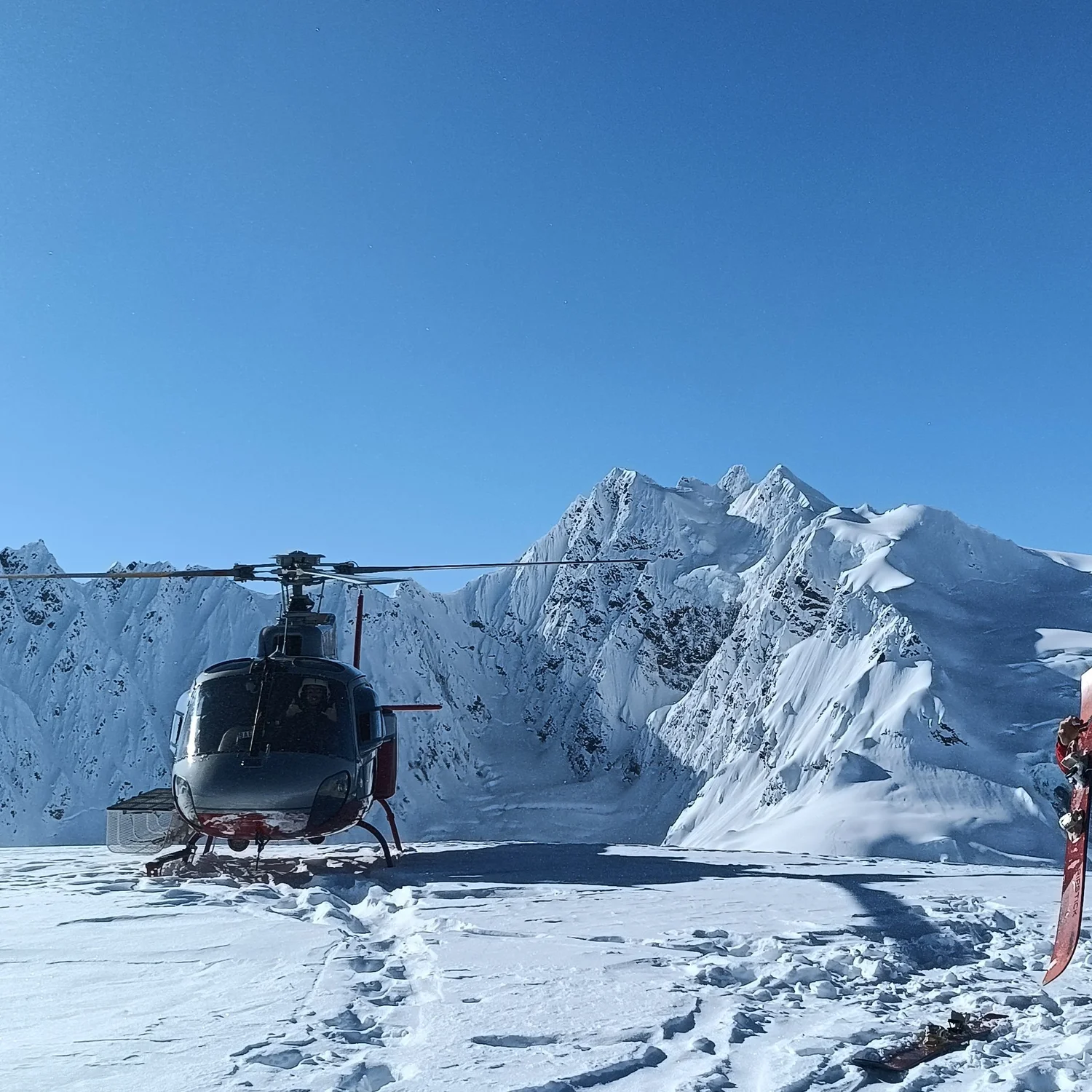
A childhood dream
Snowboarding and extreme sports have always been part of our lives. Alaska was the horizon: mountains that drop into the sea, couloirs as far as the eye can see, snow you find nowhere else. For years this territory existed for us only on a screen, between two rewinds, with music slightly too loud and faces so steep they seemed drawn by someone who had never seen a mountain.
There is something curious about childhood dreams: you carry them for a long time without really looking at them, like a stone at the bottom of a pocket. Then one day you realise there is no longer any good reason to leave them there. Reaching the summit and finally seeing, for real, what we had seen so many times on screen is a moment you do not forget. The image does not sit on top of the memory: it replaces it, with the cold, the wind and the noise of the rotor added.
Months of preparation
A trip like this is not improvised. It begins months earlier, far from any snow, in a rather ordinary gym where nobody films you. Leg and trunk strength, eccentric work for the knees, endurance, mobility, sleep: arriving fit is the first safety measure. You do not ride an Alaskan couloir on office legs, and the mountain has a very direct way of reminding you.
The mind too. Visualising the lines, keeping simple routines, learning to breathe when the heart races. The strangest moment in heli-skiing is not the descent: it is the instant the helicopter leaves, the noise suddenly stops and you find yourself alone on a ridge, facing a slope that owes you nothing. That silence has to be prepared for as well.
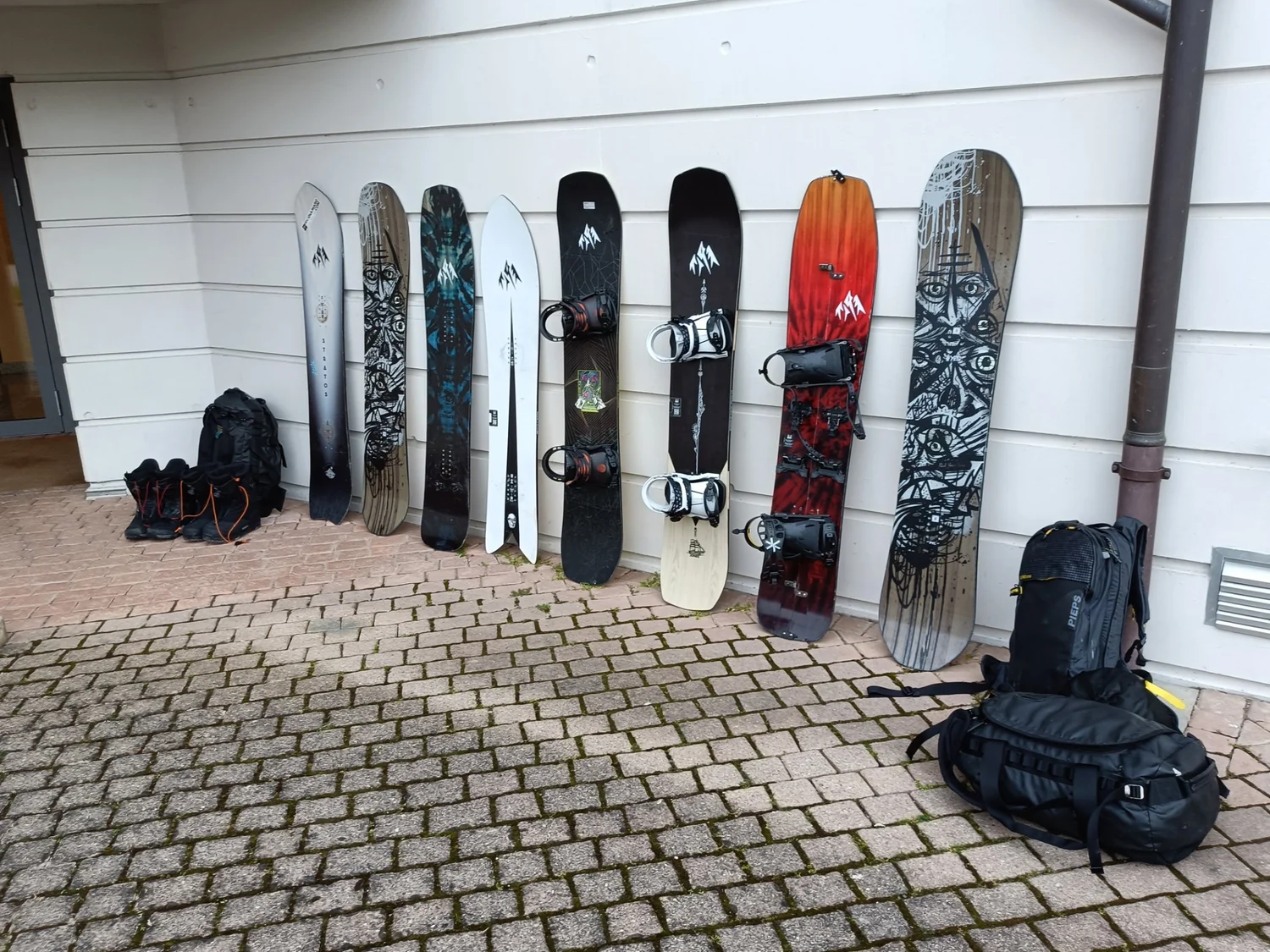
Then comes the ritual of the inventory. Everything gets lined up against a wall: boards, bindings, boots, airbag pack, transceiver, shovel, probe. Every object has a function, and most of them exist to bring you back alive. There is something soothing about counting them one by one, as if the order of the equipment might rub off a little on the order of the world.
Getting there
Haines is far from everything. A small town at the end of a fjord, surrounded by mountains that seem to rise straight out of the water. You arrive by sea, on a ferry that slowly works its way up the fjords, between forested slopes and summits still held by winter. The journey itself already sets the pace: in Alaska, you are not the one who decides how fast things go.
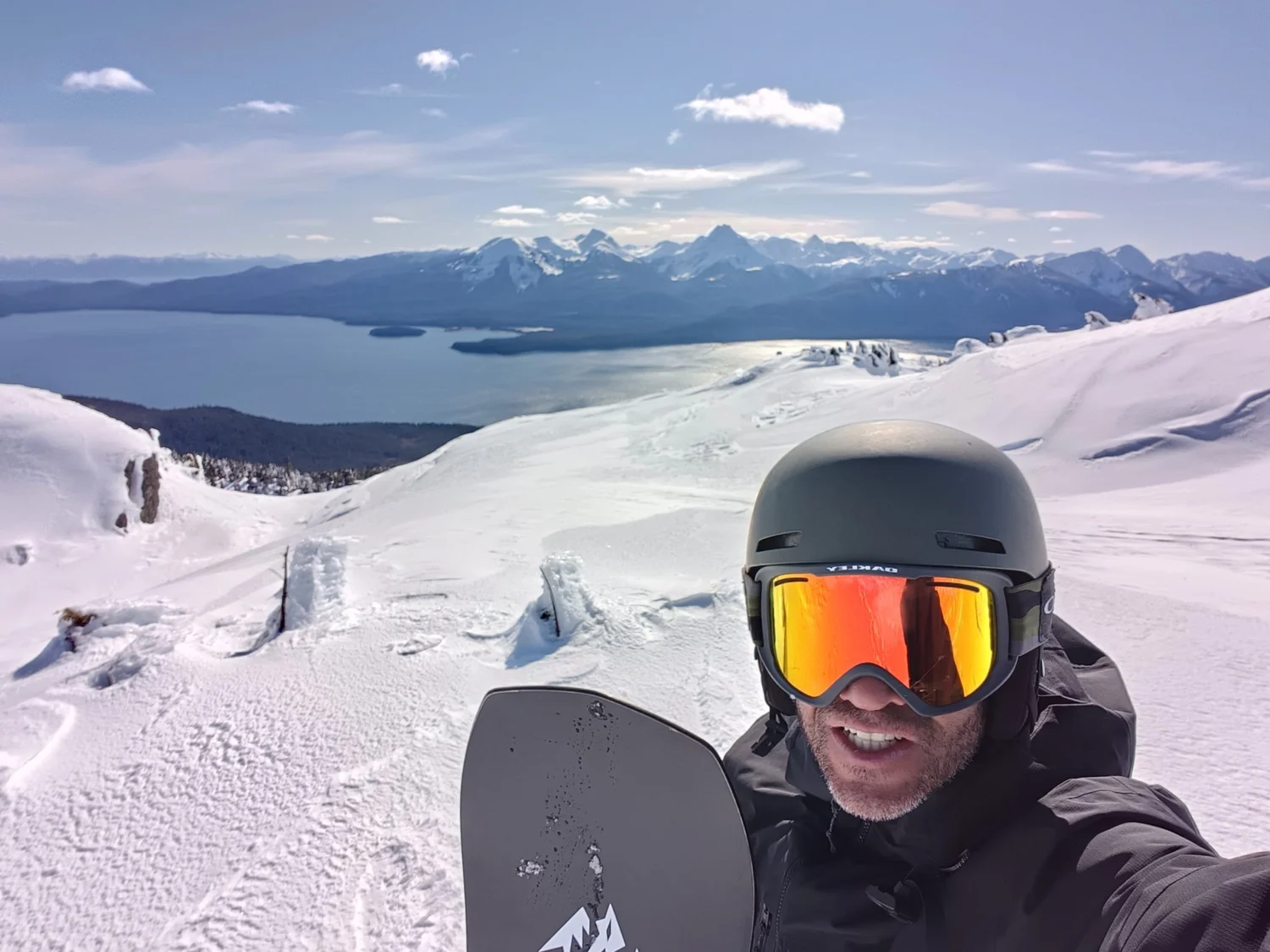
Once there, you quickly learn that the real currency of the trip is the weather. You watch for windows, you look at the sky in the morning the way others check the stock market. One bluebird day is worth a week of waiting. Between windows there are briefings, equipment checked once more, helicopter rotations planned, guides reading the mountain with an attention I would like to see more often in medical practices.
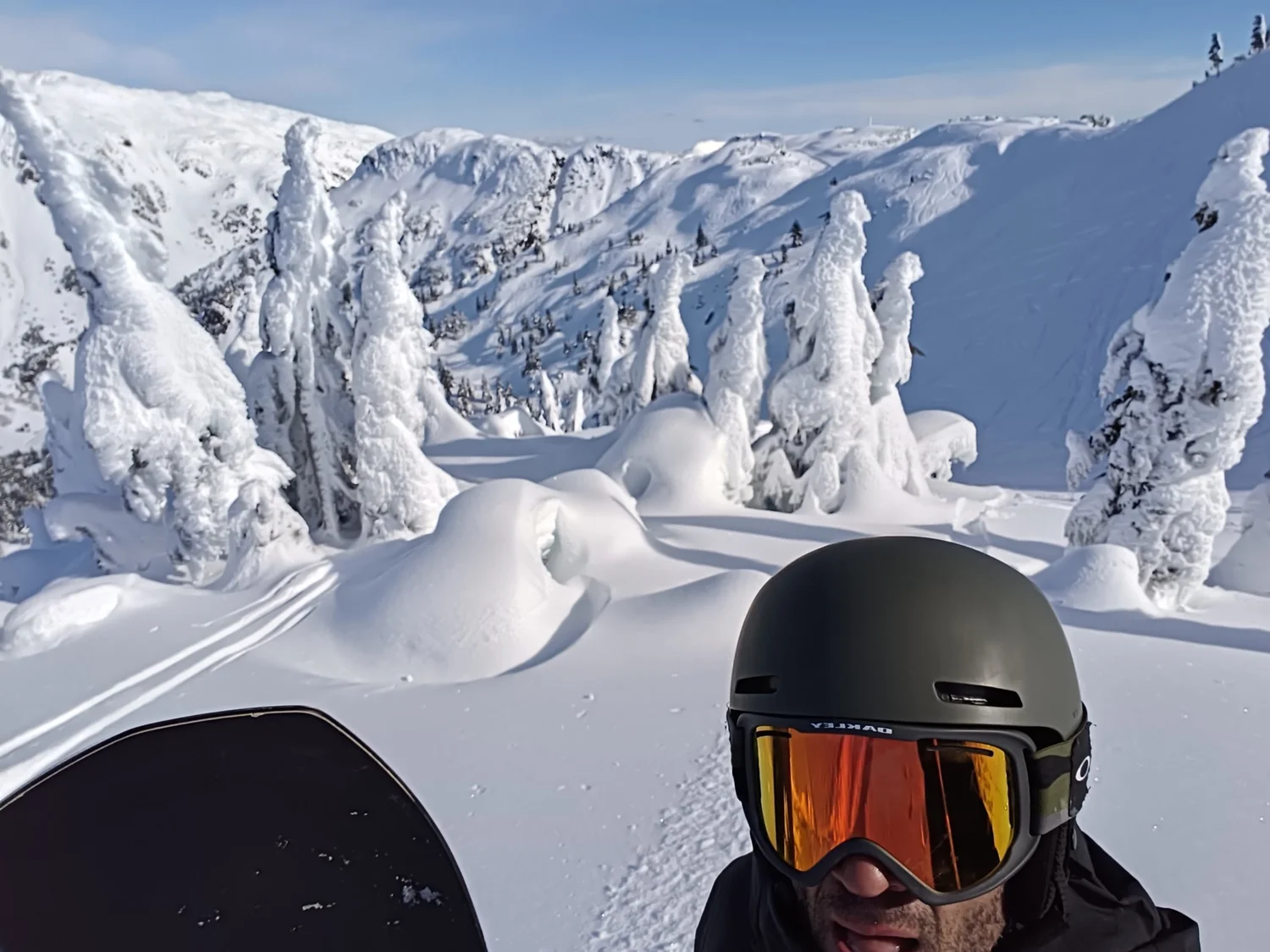
And then there are landscapes that resemble nothing you know. Trees completely encased in ice, turned into motionless figures by wind and rime, like a forest that decided to dress up for winter. Faced with that, you feel both very small and strangely in the right place.
Risk: known and shared
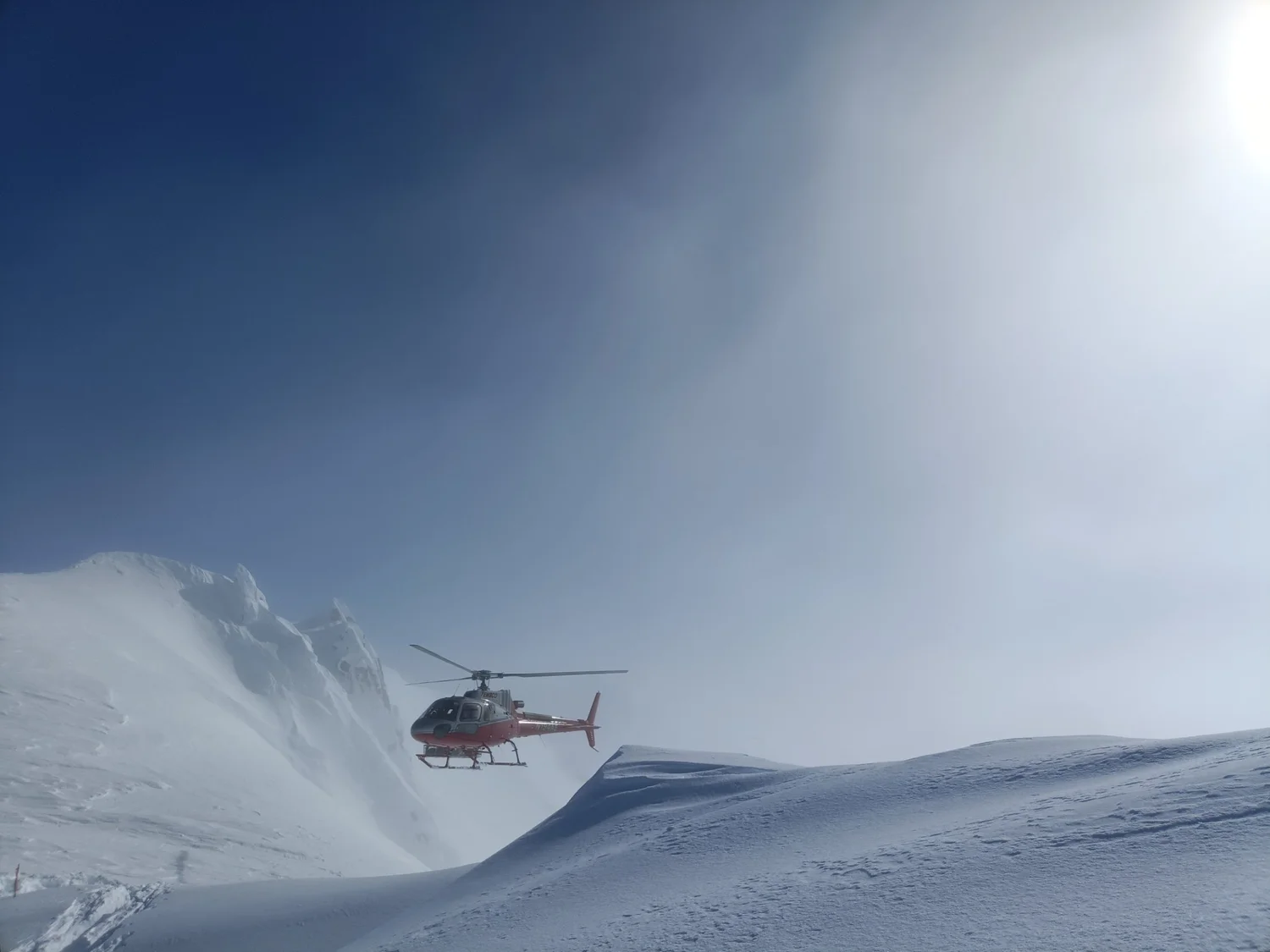
Reading the snowpack, listening to the guides, deciding together, always having a plan B. Accepting to turn back: in the mountains, the best decision is sometimes not to drop in. Clear roles, short and frank communication, and complete trust in the team. Each of us with a transceiver, shovel, probe and airbag pack, means of communication and an evacuation plan known to all.
Up there, I often thought the mountain was one of the last places where you cannot negotiate with reality. It does not read your e-mails, it does not care about your schedule or your titles. It simply offers you a very honest assessment of what you are capable of that day.
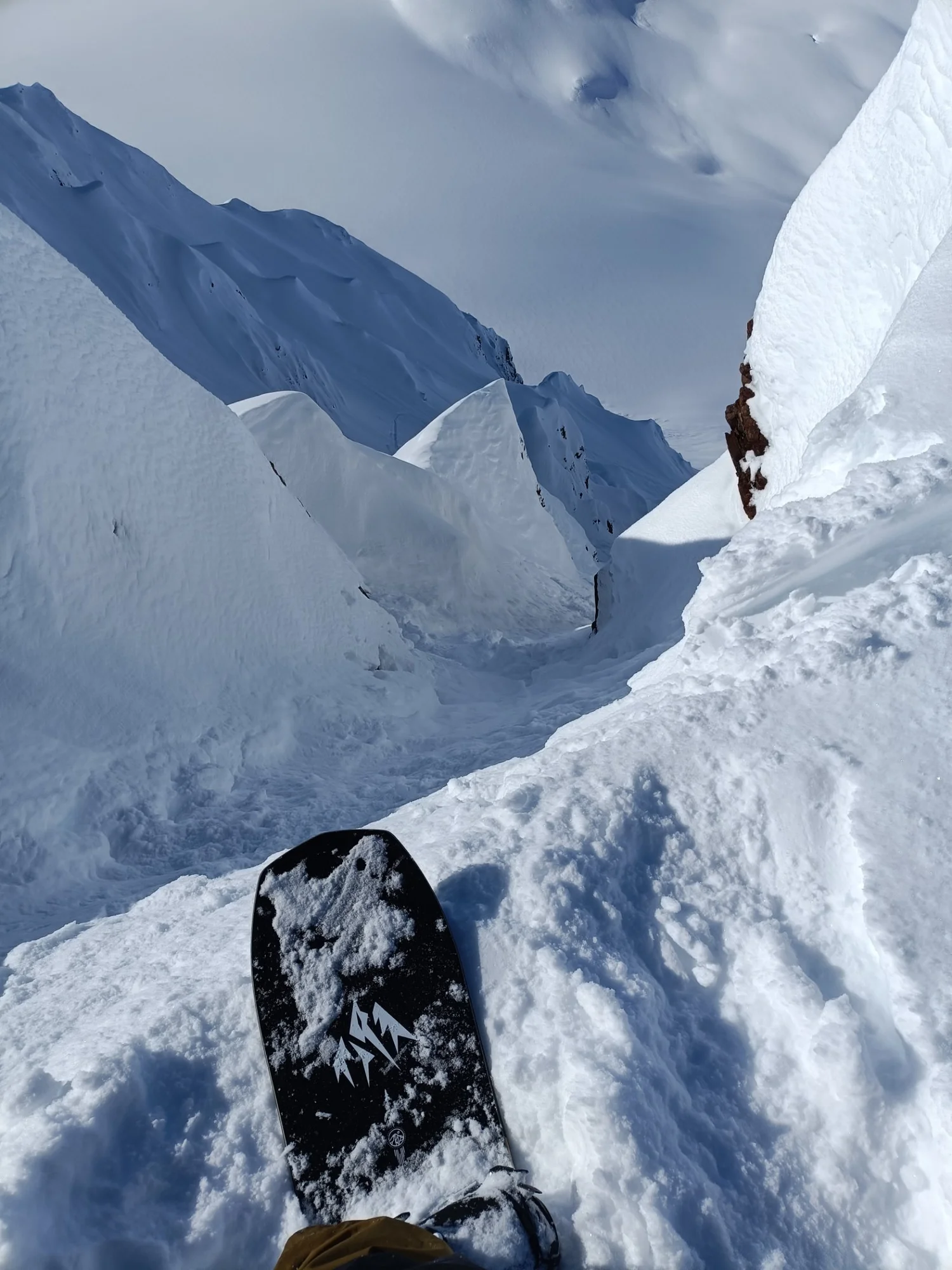
There is that moment at the top of a couloir when you look down, the board half over the void. Everything suddenly becomes simple. No past, no future, only the next turn, the feel of the snow under the edge, the breath. Alan Watts spoke of the art of living in the present moment; he probably never strapped into a snowboard, but I think he would have understood.
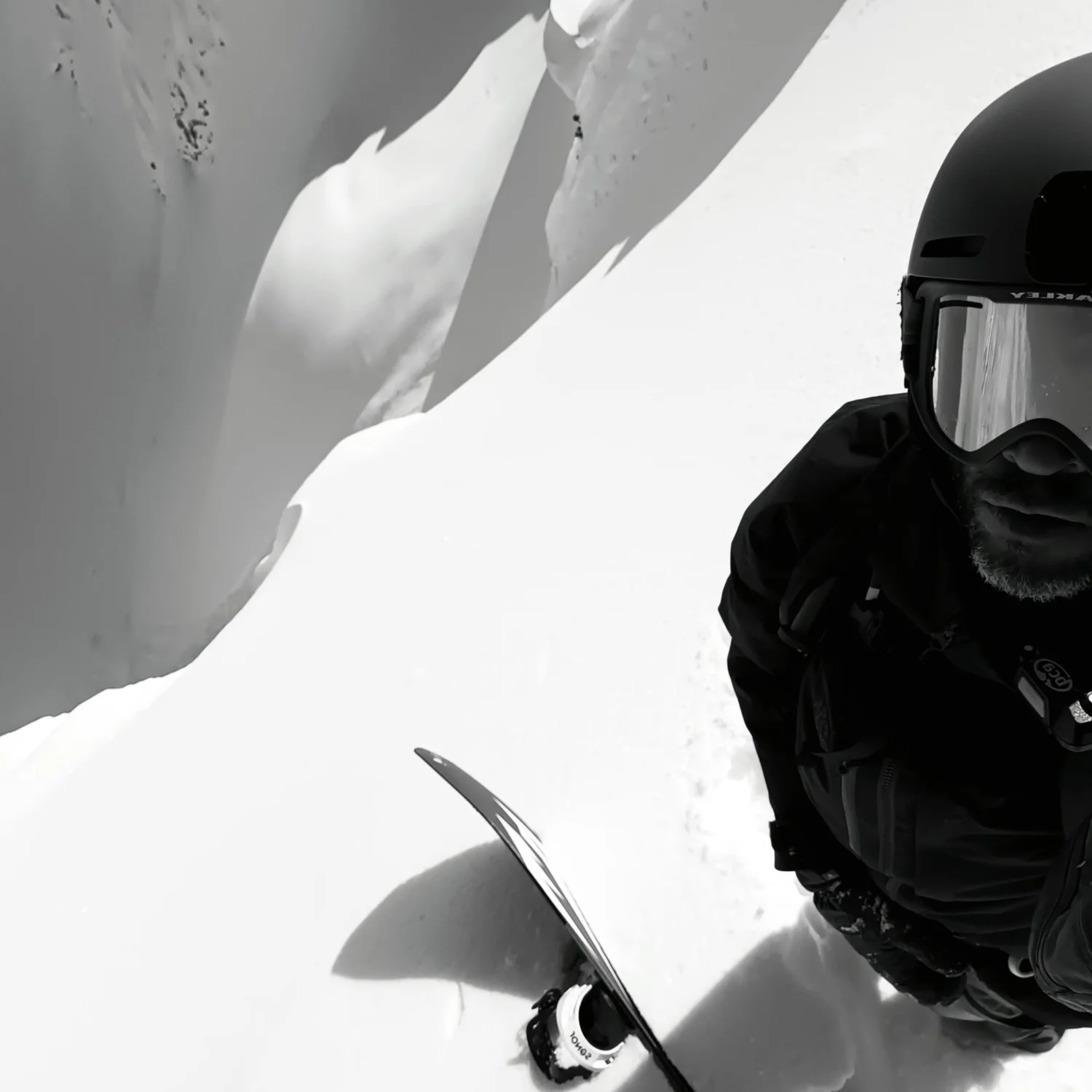
Ready for anything
On the very first day, one member of the team injured his back. He was laid up for nearly ten days in a cabin under the snow, unable to get out: evacuation is by light aircraft or helicopter, and the weather made it impossible. One of the guides was a nurse, but we had neither injectable medication nor the equipment to give it. I had my acupuncture needles. With acupuncture and a few painkillers, he managed his pain a little better until we could get him out.
In Australia, at the Surfing Australia High Performance Centre, Jeremy Sheppard, who was then coaching the Australian surf team, had taught me one of his first rules: use what you have. That is exactly what we did. In remote areas you do not choose the conditions: you adapt, with what you have and what you know.
In these sports, injuries and accidents happen sooner or later. The question is not if, but when. You need a plan to face them and to get back up: knowing whom to turn to, how to recover, how to come back. It is this preparation, before, during and after, that lets you keep living your dreams, season after season.
What Alaska leaves behind
You come back from a trip like this with your head full of images, of course. But above all with a certain sense of proportion. The mountain teaches humility better than any seminar: it reminds you that performance is never separate from preparation, that courage without method is just an elegant form of recklessness, and that the body remembers everything you ask of it.
I often think back to that cabin under the snow, to that teammate laid up, and to those few needles that, for want of anything better, made the difference. The childhood dream, in the end, was not only to ride the faces of Alaska. It was to be able to do it and come back whole, and to be able to go back.
Preparation, point by point
- Physical, three to four months before: leg and trunk strength, eccentric work to protect the knees, endurance, hip and back mobility, and deload weeks to arrive fresh.
- Technique: days in powder and off-piste before leaving, managing speed and couloir exits, controlled falls.
- Avalanche safety: up-to-date training, transceiver search drills, full equipment (transceiver, shovel, probe, airbag pack) checked before each rotation.
- Medical: a check-up before leaving, old injuries treated and followed up, a kit suited to a remote area, insurance covering evacuation and repatriation.
- Logistics: buffer days for the weather, satellite communication, an evacuation plan known to the whole team.
- Recovery on site: sleep, hydration, regular meals, mobility every evening, and the humility to ease off when the body asks.