

On the campus of the Stanford University Graduate School of Business, I presented “Regenerate to Thrive” to participants of the Stanford Executive Program: leaders from all over the world. The theme: regeneration, and the place of recovery in performance.
By Jon Iturralde
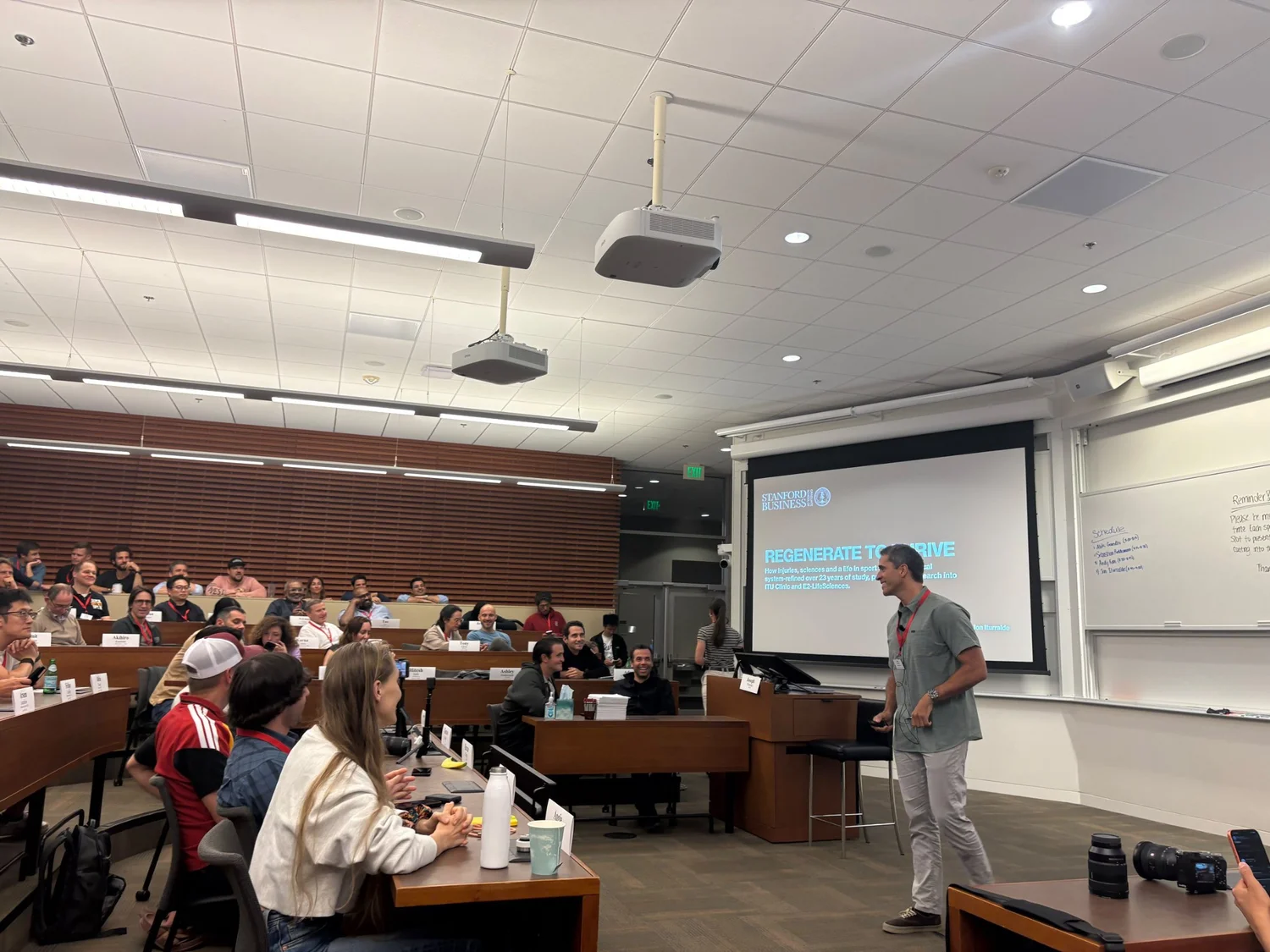
A campus that thinks slowly
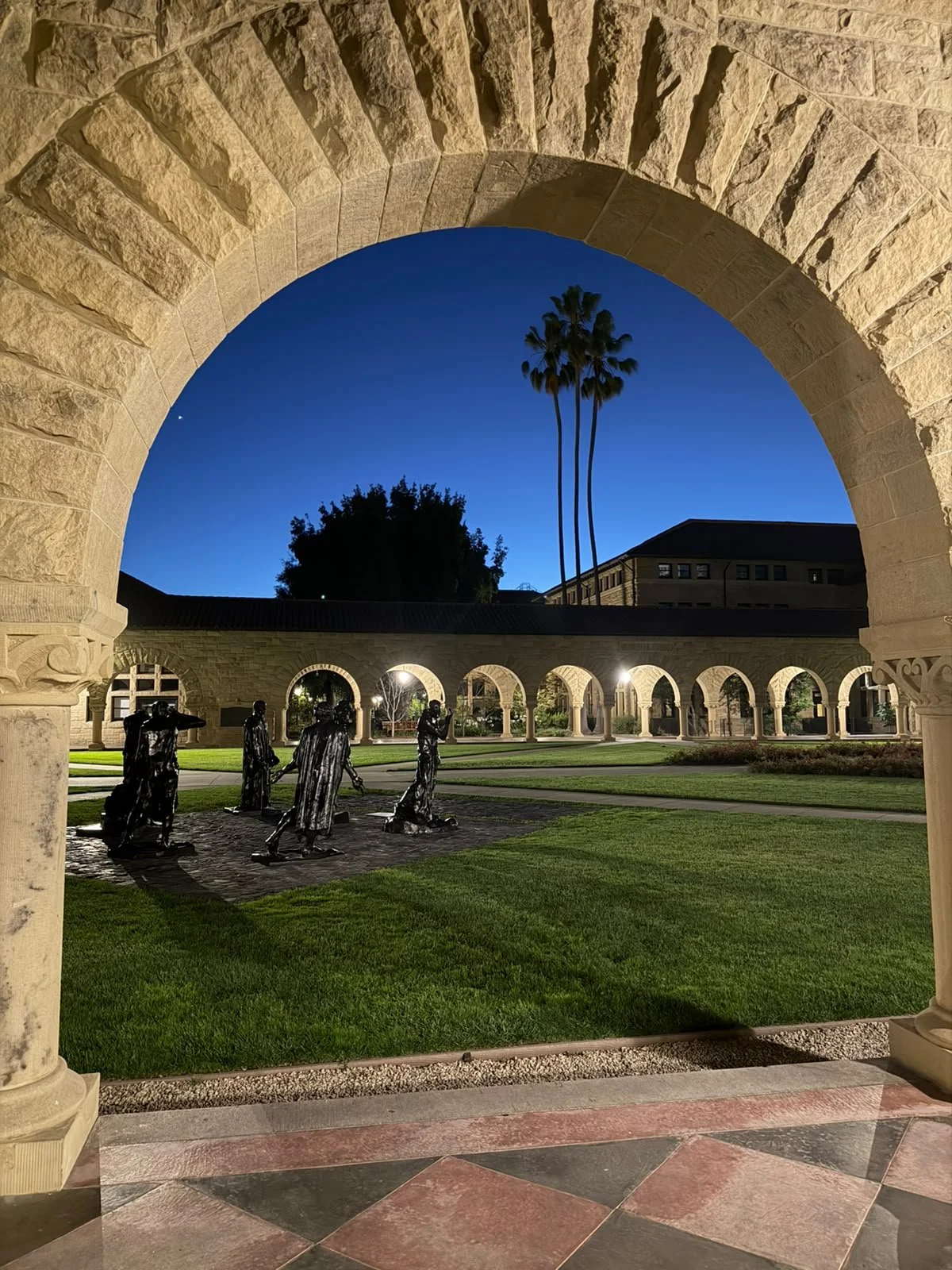
Some places impose a rhythm. Stanford’s Main Quad is one of them. Honey-coloured sandstone arches, arcades that answer one another, palm trees rising high into an almost theatrical blue sky. And in the middle of the lawn, Rodin’s Burghers of Calais: six bronze men, barefoot, ropes around their necks, walking towards a decision bigger than themselves. You cannot look at those faces for long without thinking about the weight of what you carry, and the way you choose to carry it.
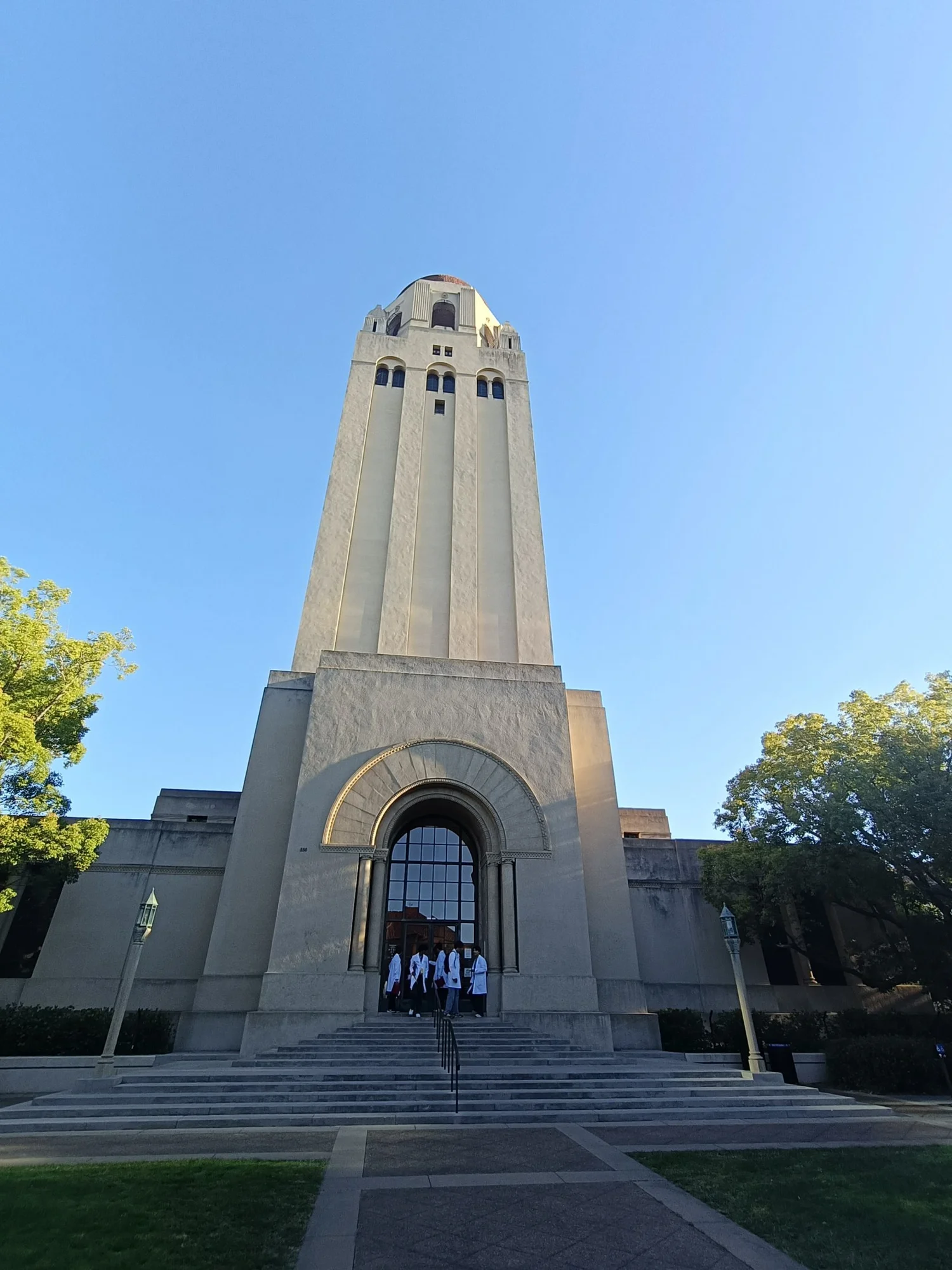
On this campus I was taught to read an organisation through its incentives, to break a decision down, to measure before asserting. You meet researchers, athletes and leaders who have achieved everything and who, many of them, have forgotten something very simple: their body is not a company car. It does not get replaced after four years.
The idea
A TED-style talk with a simple aim: to inspire leaders to take care of themselves. To take the time they need to regenerate. To invest in their health the way they invest in their companies.
To regenerate is to take time. To step back and think. To care for body and mind. To observe, appreciate and enjoy life. For leaders who live under pressure, this is often what is missing most, and what makes the difference over the long run.
I wanted to tell how injuries, science and a whole life spent in sport eventually became a method, refined over more than twenty years of study, practice and research, which lives today at ITU Clinic and E2 Life Sciences®. Not a recipe: a way of seeing the body, pain and recovery as parts of one system.
“Recovery is not a pause in performance. It is part of it.”
There is an irony that leaders grasp immediately once it is put in their own language. No serious company would run its machines twenty-four hours a day without maintenance and hope everything holds. Yet that is exactly what many do with themselves. The body absorbs it, silently, until the day it sends the bill. It rarely arrives at a convenient moment.
Where this message comes from
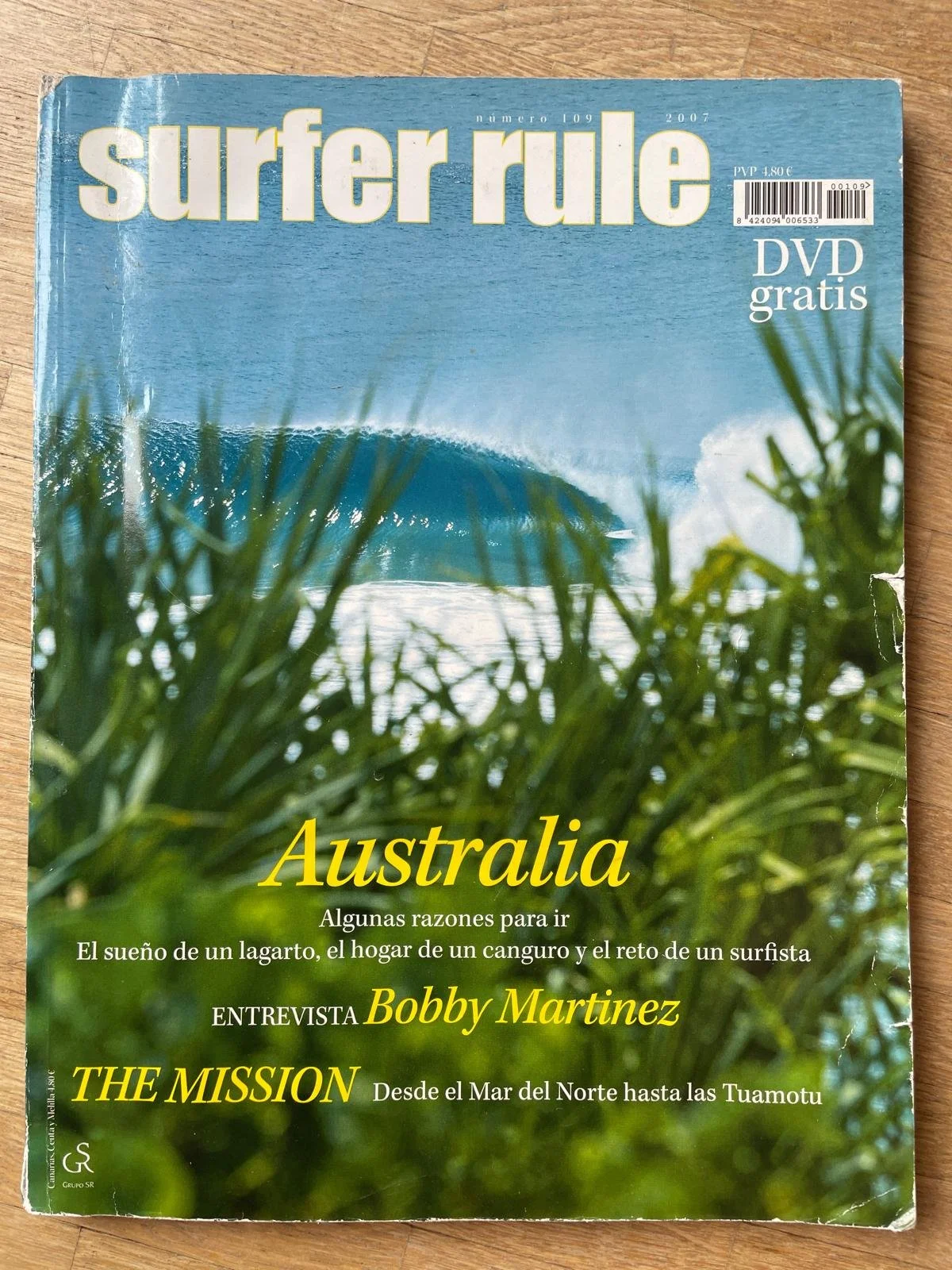
Long before Stanford, there was the ocean. In 2007, the surf magazine Surfer Rule (no. 109) ran a feature on Australia, from Melbourne to the Great Ocean Road. I appeared in it as “the surfer from San Sebastián”, alongside Mikel Gastearena, a surfer from Tolosa. Surfing taught me early on what I stand for today: you do not choose the wave, you prepare for it, and you recover so you can paddle back out.
The ocean is a teacher with no diploma and no indulgence. It never congratulates you; it simply sends you back to the beach when you are not ready. It teaches patience, reading the signs, humility before a force that does not know you. These are, in the end, the same qualities we expect from a good leader, or a good therapist.
It was also in Australia, at the Surfing Australia High Performance Centre, that Jeremy Sheppard passed on a rule I still apply in the clinic: use what you have. It fits in four words and has survived twenty years of practice, which cannot be said of many protocols.
That evening
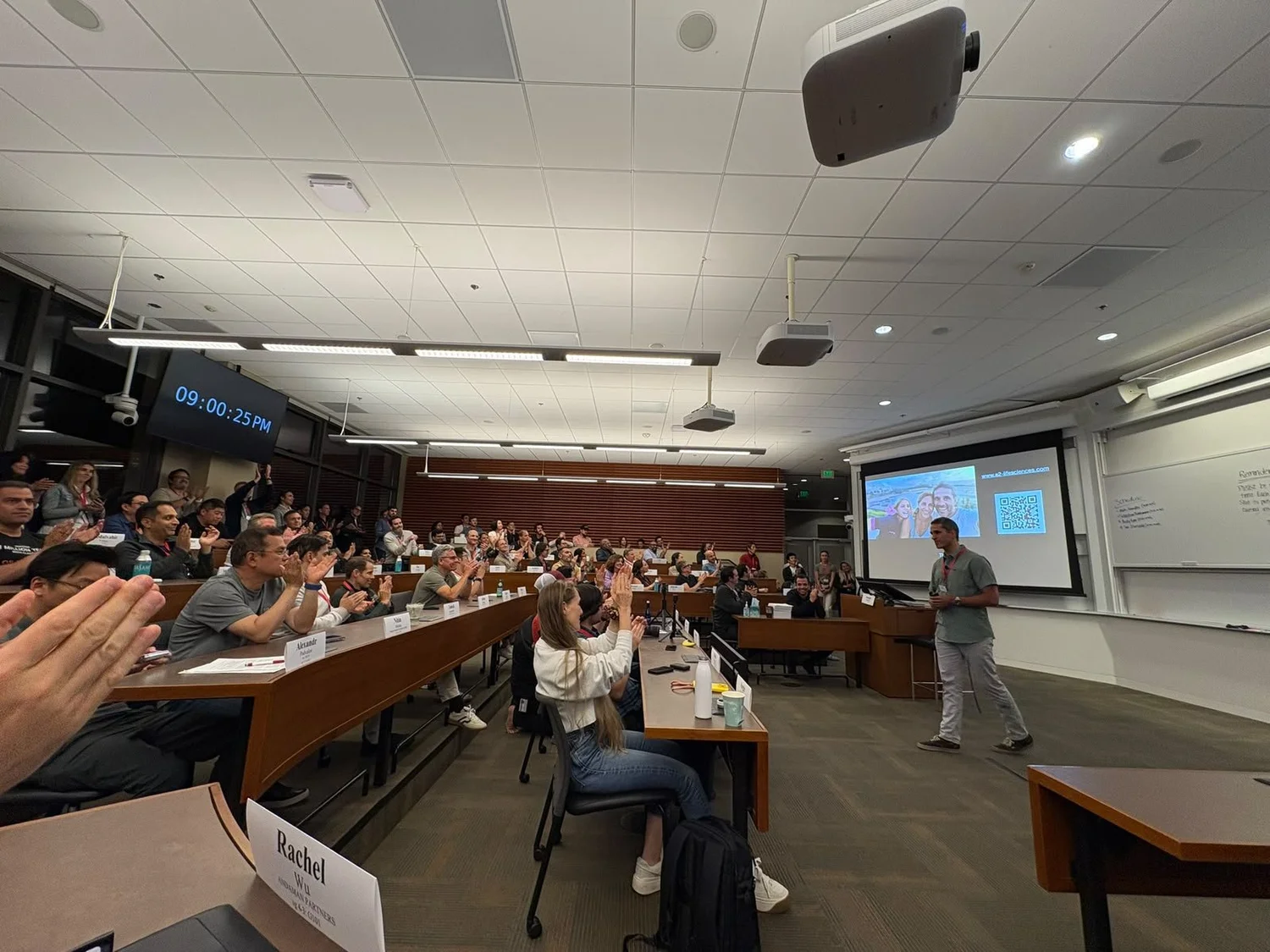
There is something peculiar about talking about recovery to people who, for the most part, have built their lives on the opposite idea: go faster, sleep less, hold on longer. I chose not to lecture them. I told them stories, injuries, comebacks, and the simple idea that the body is not an opponent to be tamed but a partner to be listened to.
Behind the titles and the badges there are very ordinary human beings, with knees, backs and nights that are too short. That may be the most reassuring lesson of evenings like this: regeneration makes no distinction of rank.
The 10 principles I closed with
I ended the talk with ten principles. They do not come from a manual: they settled slowly, through injuries, travels, patients and mistakes. I share them here as I said them that evening.
- Health is wealth.
- Through the wound, the light enters. Rumi
- We are alive until we die.
- Life happens now.
- Nutrition is queen, exercise is king. Together, they build the kingdom.
- Love cures the soul.
- To share is to live.
- We have the answers inside.
- Alea jacta est. The die is cast.
- We can change the world, one person at a time.
What I take from it
I do not believe a life changes in a talk of a few minutes. But a way of looking can shift. If a single person in that room decided that evening to sleep an hour more, to move a little every day, or finally to deal with the pain they had been ignoring, then the message did its job. One person at a time: that is the tenth principle, and it is also, very concretely, the way we work in Nyon.